MR. ROY Export Import
Pomegranate
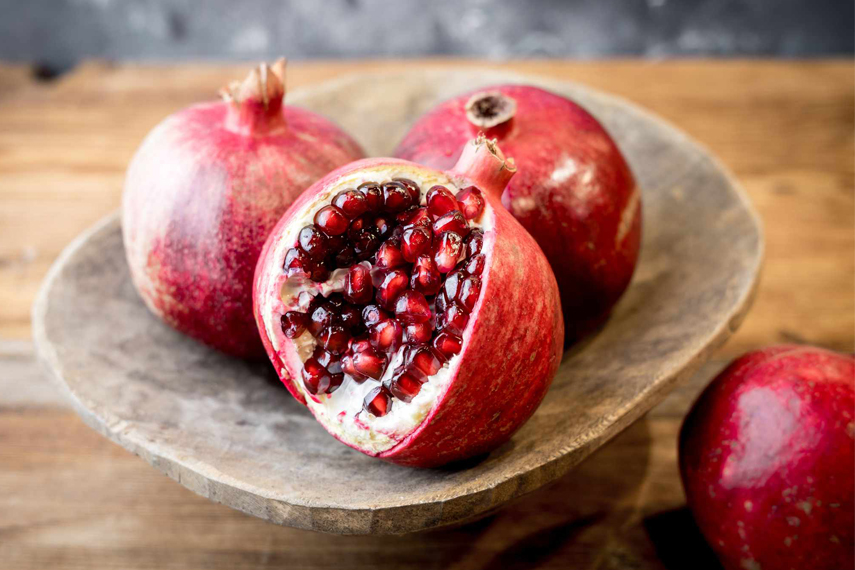
Pomegranate (Punica granatum) is a nutrient-rich fruit-bearing shrub or small tree native to the region stretching from Iran to northern India and widely cultivated throughout the Mediterranean, Middle East, Asia, and tropical regions worldwide. Revered since ancient times for its beauty, symbolism, and health benefits, the pomegranate produces a round fruit with a tough, leathery skin—typically deep red or purplish—and is filled with hundreds of edible seeds, known as arils, which are surrounded by juicy, ruby-red pulp. Each aril contains a crunchy seed and is packed with antioxidants, especially punicalagins and anthocyanins, which are responsible for the fruit’s powerful anti-inflammatory and heart-protective properties. Pomegranate juice is known to help reduce blood pressure, improve cholesterol levels, and protect against oxidative stress, making it beneficial for cardiovascular health. It is also studied for its potential anti-cancer, anti-diabetic, and antimicrobial effects. Rich in vitamin C, vitamin K, folate, and potassium, pomegranates contribute significantly to a balanced diet.
In traditional medicine systems like Ayurveda and Unani, the fruit, bark, peel, and flowers have been used to treat digestive disorders, infections, and even parasitic worms. Culturally, the pomegranate has deep symbolic meaning—it represents fertility, abundance, and eternal life in various religions and mythologies, including Greek, Jewish, Christian, and Islamic traditions. The plant thrives in arid climates and is relatively drought-tolerant, making it a sustainable crop in water-scarce regions. With its striking appearance, deep cultural roots, and exceptional health benefits, the pomegranate is not only a valued fruit but also a symbol of vitality and wellness across the globe.
Enquiry Now