Mr ROYExport Import
Drumstick
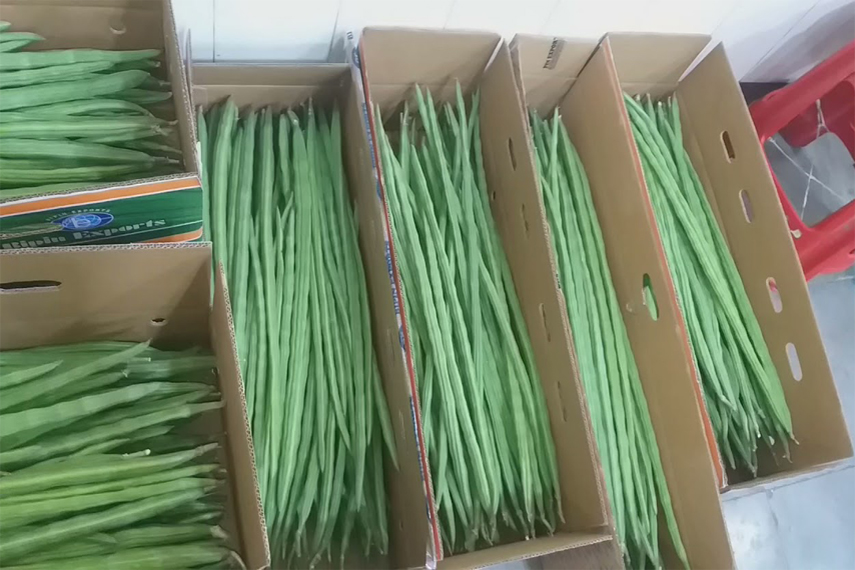
Drumstick
Drumstick, commonly known as moringa (Moringa oleifera), is a fast-growing, drought-resistant tree native to the Indian subcontinent and widely cultivated in tropical and subtropical regions. Often referred to as the “miracle tree” or “tree of life,” moringa is highly valued for its nutritional, medicinal, and ecological benefits. Nearly every part of the plant is edible and useful, including the leaves, pods (drumsticks), seeds, flowers, and roots. The long, slender, green seed pods—popularly called drumsticks—are a common ingredient in South Asian cuisines, especially in curries and soups, prized for their tender texture and mild flavor. Moringa is exceptionally nutrient-dense; the leaves are rich in protein, vitamins A, C, and E, calcium, potassium, and iron, making it a vital food source in combating malnutrition. The plant also contains powerful antioxidants and bioactive compounds like quercetin and chlorogenic acid, which contribute to its anti-inflammatory, anti-diabetic, and cholesterol-lowering properties.
In traditional medicine systems such as Ayurveda, moringa is used to treat over 300 ailments, including infections, anemia, high blood pressure, and digestive disorders. Moringa seeds have the unique ability to purify water due to their natural coagulant properties, making them valuable in rural and resource-limited areas. Easy to cultivate, moringa thrives in poor soils and harsh climates, making it a sustainable crop for food security and environmental restoration. As global interest in superfoods grows, moringa is increasingly recognized for its exceptional health benefits and potential to address nutritional and ecological challenges.
Enquiry Now