MR ROY Export Import
Garlic
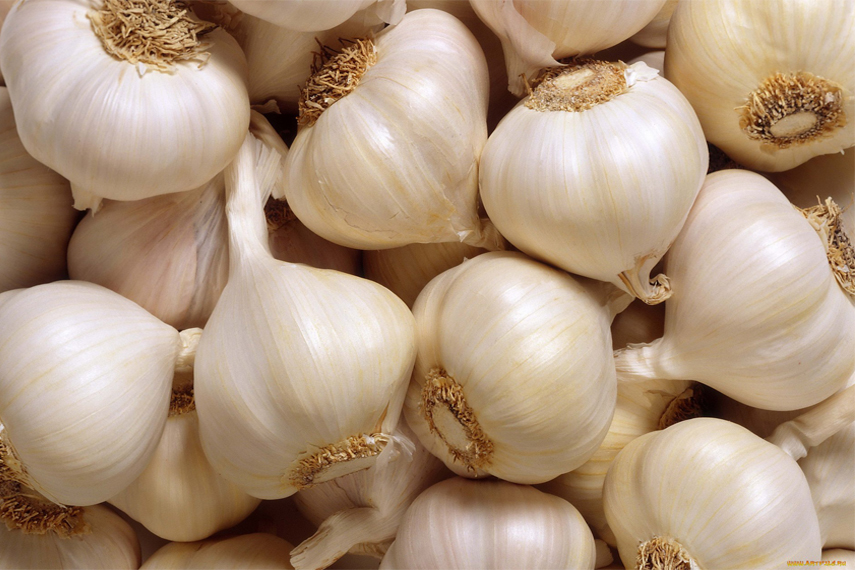
Garlic
Garlic (Allium sativum) is a hardy perennial plant in the Allium family, closely related to onions, leeks, and shallots. Believed to have originated in Central Asia, garlic has been cultivated for over 5,000 years and holds a prominent place in both culinary and medicinal traditions across many cultures. The plant produces a bulb composed of multiple cloves, each encased in a papery skin, and is known for its strong aroma and pungent flavor, which mellows and sweetens when cooked. Garlic is rich in sulfur-containing compounds, most notably allicin, which forms when raw garlic is chopped or crushed. Allicin is responsible for many of garlic’s potent health benefits, including its antibacterial, antiviral, antifungal, and antioxidant properties. Garlic is also known to support cardiovascular health by reducing blood pressure, lowering cholesterol levels, and improving blood circulation.
It contains important nutrients such as vitamin C, vitamin B6, manganese, selenium, and fiber, though it is typically consumed in small quantities. Garlic can be grown easily from cloves and thrives in well-drained soil with full sun exposure. It has been revered in ancient cultures—not only as a food and medicine but also for spiritual protection, often used to ward off evil spirits or diseases. Today, garlic remains a staple in global cuisines, used raw, cooked, roasted, or fermented, and is also available in supplements and extracts for therapeutic use.
Enquiry Now